
The allure of chance: Why we gamble
The psychology behind casino game choices is deeply intertwined with the human attraction to chance and risk. The thrill of uncertainty often draws individuals to gambling environments, where the potential for significant rewards provokes excitement. This concept, known as “risk-seeking behavior,” can be explained by the dopamine response in the brain, which creates pleasurable feelings associated with a win. This psychological drive leads players to make choices that may not always align with logical reasoning, ultimately affecting which games they prefer. For those interested, engaging with platforms like no kyc casino can also provide a unique gaming experience.
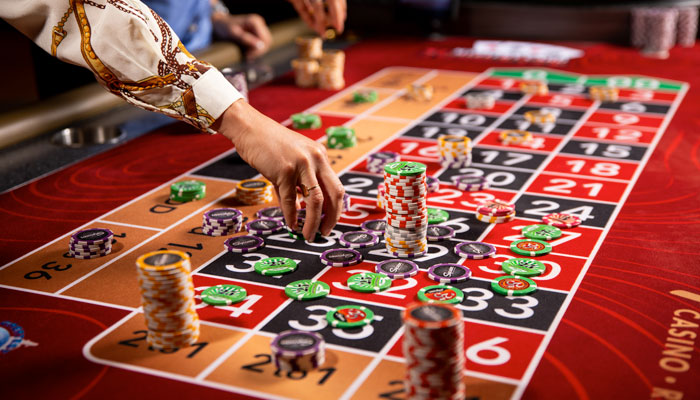
Moreover, the allure of chance often magnifies when individuals seek an escape from everyday life. Many players view casinos as a venue where they can momentarily forget their responsibilities and experience a sense of freedom. The combination of attractive game mechanics, bright lights, and engaging sounds enhances this escape, making it easier for players to immerse themselves in the gambling experience and lean toward games that evoke these feelings.
The impact of game design on choices
Game design plays a crucial role in determining which games players gravitate towards within a casino. Elements such as graphics, sound effects, and themes influence players’ emotions and decisions. For instance, a slot machine with a popular movie theme may attract fans of that franchise, while the vibrant visuals of a video poker game can entice players looking for quick thrills. The overall design of a game can create an emotional connection that drives choice, often overshadowing the odds of winning.
Additionally, the concept of “near misses” in game design, where players come close to winning but fall just short, can significantly influence player behavior. This phenomenon can create a sense of hope and encourage players to continue engaging with a specific game, as they believe they may eventually win. Understanding these design strategies allows casinos to tailor their offerings to enhance player engagement and satisfaction.
Psychological factors influencing game preferences
Cognitive biases and personal experiences shape an individual’s game preferences. For example, the “illusion of control” bias leads players to believe they can influence the outcome of games of chance, such as dice and roulette. This belief can make such games more appealing, as players feel empowered and involved, even when the results are purely random.
Personal history with gambling also plays a role in game selection. Players who have experienced success with a certain type of game are likely to gravitate toward it, believing they can replicate their past victories. In contrast, those who have faced losses may avoid specific games altogether, illustrating how emotional experiences shape behavior and decision-making in casinos.
The social aspect of casino gaming
Gambling is not solely an individual pursuit; it often carries significant social dimensions. Casinos offer environments where people gather, whether it’s around a poker table or within a bustling slot machine area. The social interaction that occurs in these spaces can enhance the enjoyment of gaming and influence individual choices. Players might choose a game not just based on preference but also on the social opportunities it provides.
Fellow gamblers often share tips, strategies, and experiences, creating a sense of community. This communal aspect can make certain games more appealing, as players feel connected to others with similar interests and experiences. Moreover, the presence of friends or acquaintances can lead to more significant risk-taking behaviors, as participants are encouraged by each other, further affecting game selection in a casino environment.

Understanding our audience: The purpose of this website
This website aims to explore various aspects of casino gaming and its underlying psychologies, providing insights for both casual players and serious gamblers. It serves as a resource for understanding why individuals gravitate toward certain games, the influences of social dynamics, and how design elements play a crucial role in these decisions.
By analyzing the psychological factors that drive casino game choices, users can make more informed decisions about their gaming preferences. Whether for entertainment or study, understanding the complexities of the gambling experience can enhance one’s appreciation of this multifaceted world.